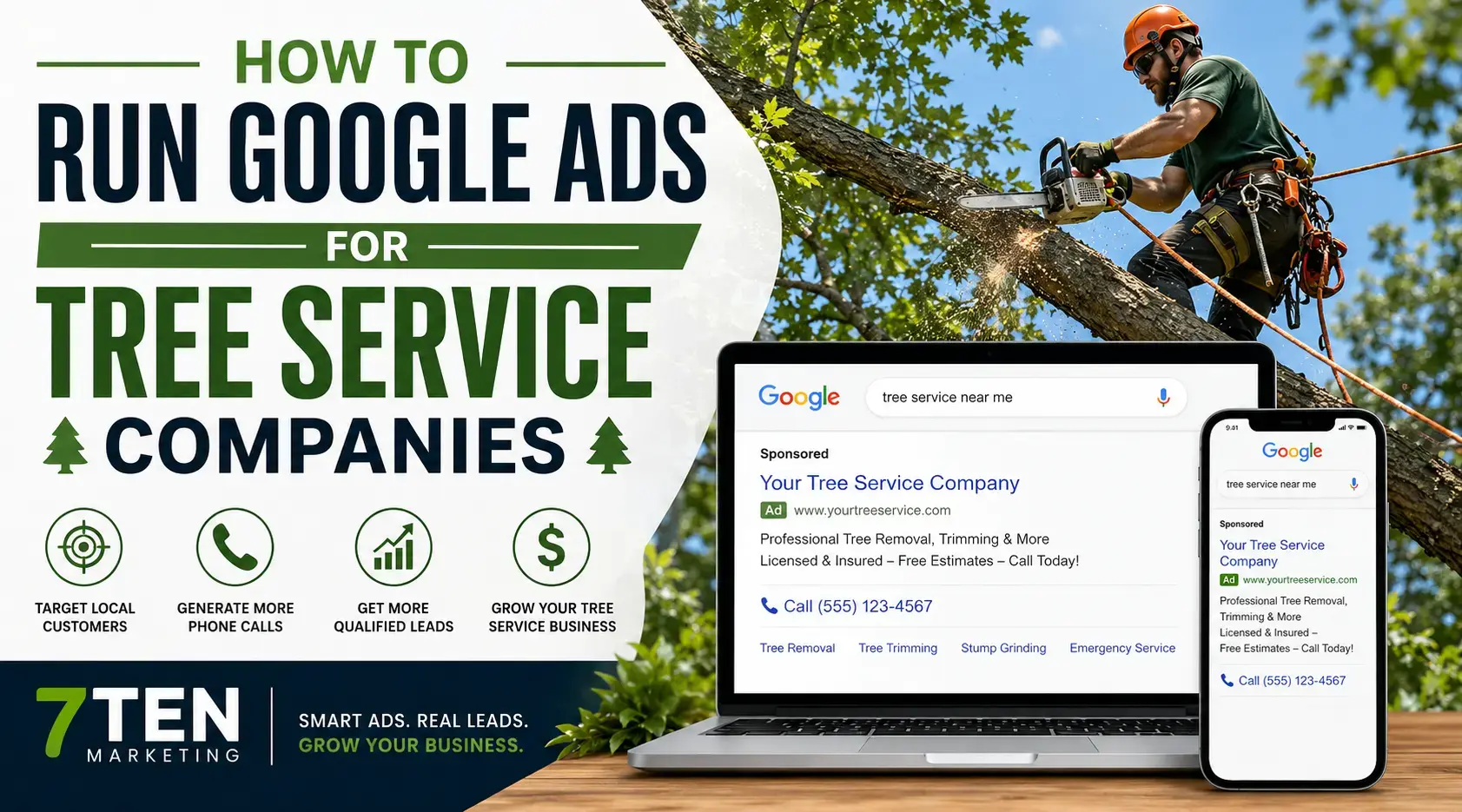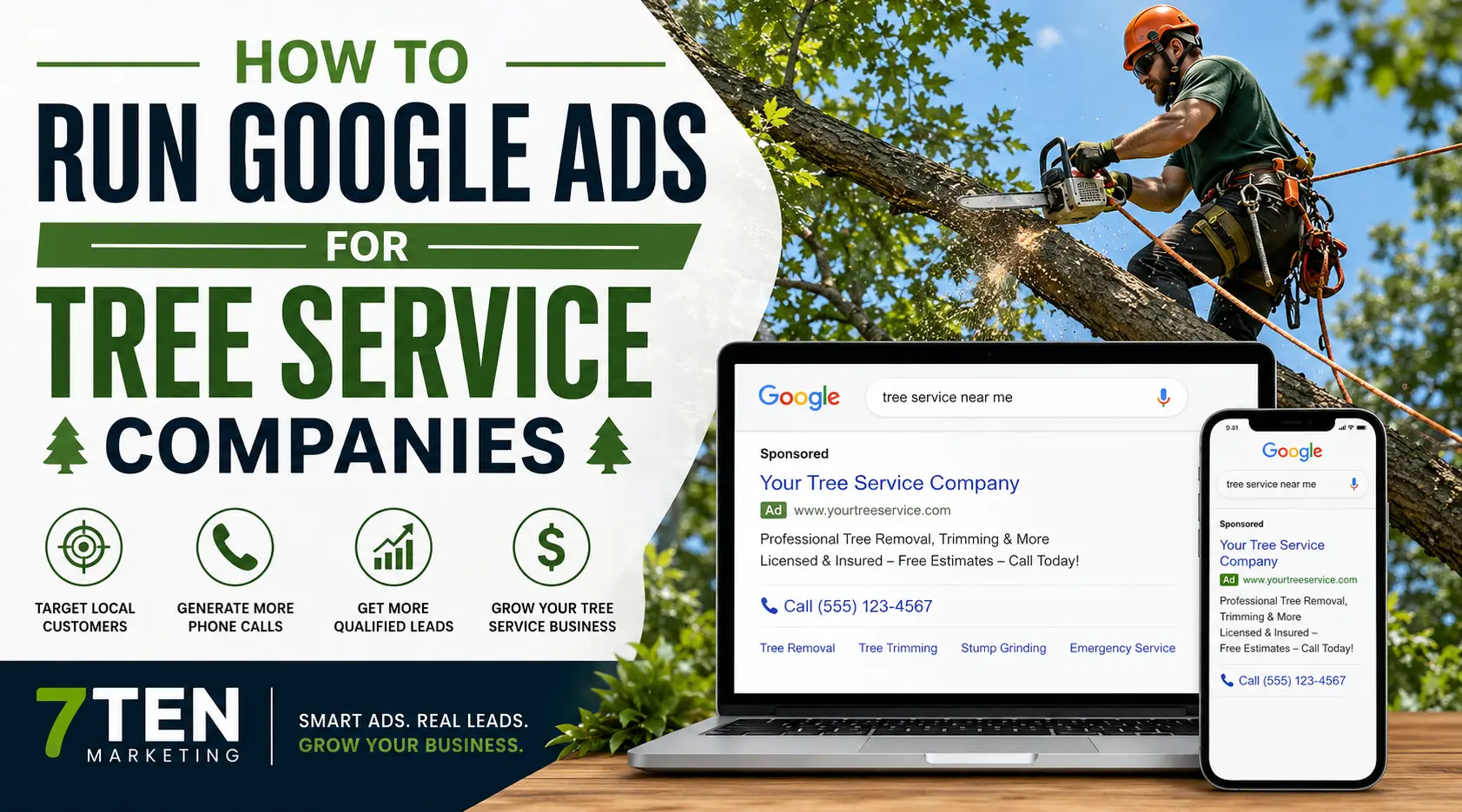
Google Ads is one of the most effective ways for roofing contractors to generate consistent, high-quality leads. Unlike traditional advertising, Google Ads targets homeowners who are actively searching for services like roof repair, replacement, or inspections. This means you are reaching potential customers at the exact moment they need your services, which significantly increases conversion rates.
For roofing companies, where jobs are often high-ticket and time-sensitive, Google Ads can create a steady pipeline of qualified leads. When executed properly, it allows contractors to dominate local search results, compete with larger companies, and scale their business quickly. However, success requires more than just launching a campaign. It takes the right strategy, targeting, and ongoing optimization.
Why Google Ads Work for Roofing Companies
Roofing is a high-intent service. Most customers searching for roofing help are dealing with urgent issues such as leaks, storm damage, or aging roofs. Google Ads places your business at the top of search results when these users are actively looking, making it one of the fastest ways to generate leads.
Another key advantage is control. Roofing contractors can set their own budgets, choose specific service areas, and target keywords that align with their most profitable services. Campaigns can also be adjusted in real time based on performance, allowing you to scale what works and eliminate wasted spend.
Google Ads also provides measurable ROI. Every click, call, and form submission can be tracked, giving you full visibility into how your marketing dollars are performing. This level of data allows contractors to continuously refine their campaigns and improve results over time.
Choosing the Right Campaign Type
For roofing contractors, not all Google Ads campaign types perform equally. The most effective option for generating leads is Search campaigns. These ads appear directly in Google search results when users type in phrases like “roof repair near me” or “roof replacement in [city].”
Search campaigns work best because they capture immediate demand. Unlike display or social ads, which interrupt users, search ads meet customers at the exact moment they are looking for a solution.
Another valuable option is Local Services Ads (LSAs). These ads appear at the very top of search results and operate on a pay-per-lead model instead of pay-per-click. This can be especially effective for roofing contractors who want guaranteed leads and increased trust through Google’s verification system.
For most roofing businesses, starting with Search campaigns and layering in LSAs over time creates the strongest foundation.
Keyword Research for Roofing Ads
Keyword strategy is the backbone of any successful Google Ads campaign. The goal is to target high-intent search terms that indicate a user is ready to hire a contractor.
Location-based keywords are especially important in the roofing industry. Phrases like “roof replacement near me” tend to perform well because they signal both urgency and geographic relevance.
It is also important to avoid overly broad keywords. Generic terms like “roofing” or “roofing services” may generate traffic, but they often lead to unqualified clicks and wasted budget. Instead, focus on specific services such as roof repair, inspections, leak repair, or emergency services.
In addition to targeting the right keywords, contractors should build a strong list of negative keywords. This prevents ads from showing for irrelevant searches such as DIY repairs or job inquiries, helping to improve efficiency and reduce costs.
Structuring Campaigns for Better Performance
A well-structured campaign makes it easier to control budget, improve ad relevance, and increase conversions. At a high level, campaigns should be organized by service type and location.
For example, a roofing contractor might create separate campaigns for roof repair, roof replacement, and commercial roofing. Within each campaign, ad groups should be tightly focused around related keywords.
This structure improves Quality Score, which directly impacts how often your ads appear and how much you pay per click. Google evaluates factors such as ad relevance, expected click-through rate, and landing page experience when determining rankings.
A clear structure also makes it easier to analyze performance and identify which services are generating the most revenue.
Writing High-Converting Roofing Ads
Ad copy plays a critical role in turning clicks into leads. Roofing ads should focus on urgency, trust, and clear value.
Homeowners dealing with roofing issues are often looking for fast solutions. Including phrases like “same-day service,” “free estimates,” or “emergency repairs” can significantly increase click-through rates.
Trust signals are equally important. Mentioning licensed and insured services, years of experience, or warranties can help build credibility and reduce hesitation.
It is also essential to align your ad copy with the user’s search intent. If someone searches for “roof leak repair,” the ad should clearly address that specific need rather than general roofing services.
Strong ad copy not only improves click-through rates but also contributes to better Quality Scores, lowering your cost per click.
Creating Landing Pages That Convert
Driving traffic is only half the battle. To generate leads, roofing contractors need landing pages that are designed to convert visitors into customers.
A high-performing landing page should match the message of the ad and focus on a single service. For example, if the ad promotes roof repair, the landing page should be dedicated entirely to that service.
Key elements include a clear headline, strong call-to-action, contact forms, and trust signals such as reviews and certifications. Pages that align closely with the ad’s messaging tend to convert at higher rates and improve overall campaign performance.
Speed and mobile optimization are also critical. Many roofing searches happen on mobile devices, so ensuring a seamless experience can significantly impact results.
Tracking and Optimizing Performance
One of the biggest advantages of Google Ads is the ability to track performance in real time. Roofing contractors should set up conversion tracking to measure phone calls, form submissions, and booked jobs.
Tracking allows you to identify which keywords, ads, and campaigns are driving the best results. This data can then be used to refine targeting, adjust bids, and improve overall efficiency.
Optimization is an ongoing process. Campaigns should be reviewed regularly to pause underperforming keywords, test new ad variations, and adjust budgets based on performance.
Consistent optimization is what separates profitable campaigns from those that waste budget.
How 7ten Digital Marketing Helps Roofing Contractors Grow
Running Google Ads effectively takes time, expertise, and constant optimization. That is why many roofing contractors partner with professionals like 7ten Digital Marketing.
At 7ten Digital Marketing, campaigns are built specifically for service-based businesses like roofing contractors. From keyword research and campaign setup to landing page optimization and conversion tracking, every element is designed to generate real leads and measurable ROI.
Instead of focusing on vanity metrics like clicks and impressions, the goal is to drive booked jobs and revenue. With a data-driven approach and ongoing optimization, roofing contractors can scale their business while maximizing every dollar spent on advertising.
Final Thoughts
Google Ads is one of the most powerful tools available for roofing contractors looking to grow their business. By targeting high-intent searches, structuring campaigns effectively, and continuously optimizing performance, contractors can generate a steady stream of qualified leads. Contact 7ten marketing today!
Related Posts